The Salad Project. Scaling the Salad Movement
Why This Isn’t Really About Salad
At first glance, Salad Project looks like another fast-growing food brand. Clean interiors, custom bowls, a few well-placed collaborations.
But, the detail is where it gets interesting.
It’s a case study in brand positioning done right. Where product, experience, and culture are aligned from day one.
Because the reality is, Salad Project isn’t winning because it sells salad. The salad is almost beside the point.
What fills those queues is something harder to replicate, a feeling that the brand gets it.
Positioning First, Category Second
The rise of salad bowls and healthy fast-casual dining reflects a broader shift in how people live and work.
The lunch break has shrunk. Health has become a priority. Expectations have increased. The “bowl” format, fast and portable, fits that shift perfectly.
Lots of brands exist in this space. Few stand out.
What’s interesting is that Salad Project isn’t doing this in isolation. Brands like Atis are operating with a similar level of consideration.
This isn’t one brand outperforming the category. It’s a new generation redefining it.
What Salad Project has done well is position itself closer to a lifestyle choice, one that signals balance, taste, and awareness.
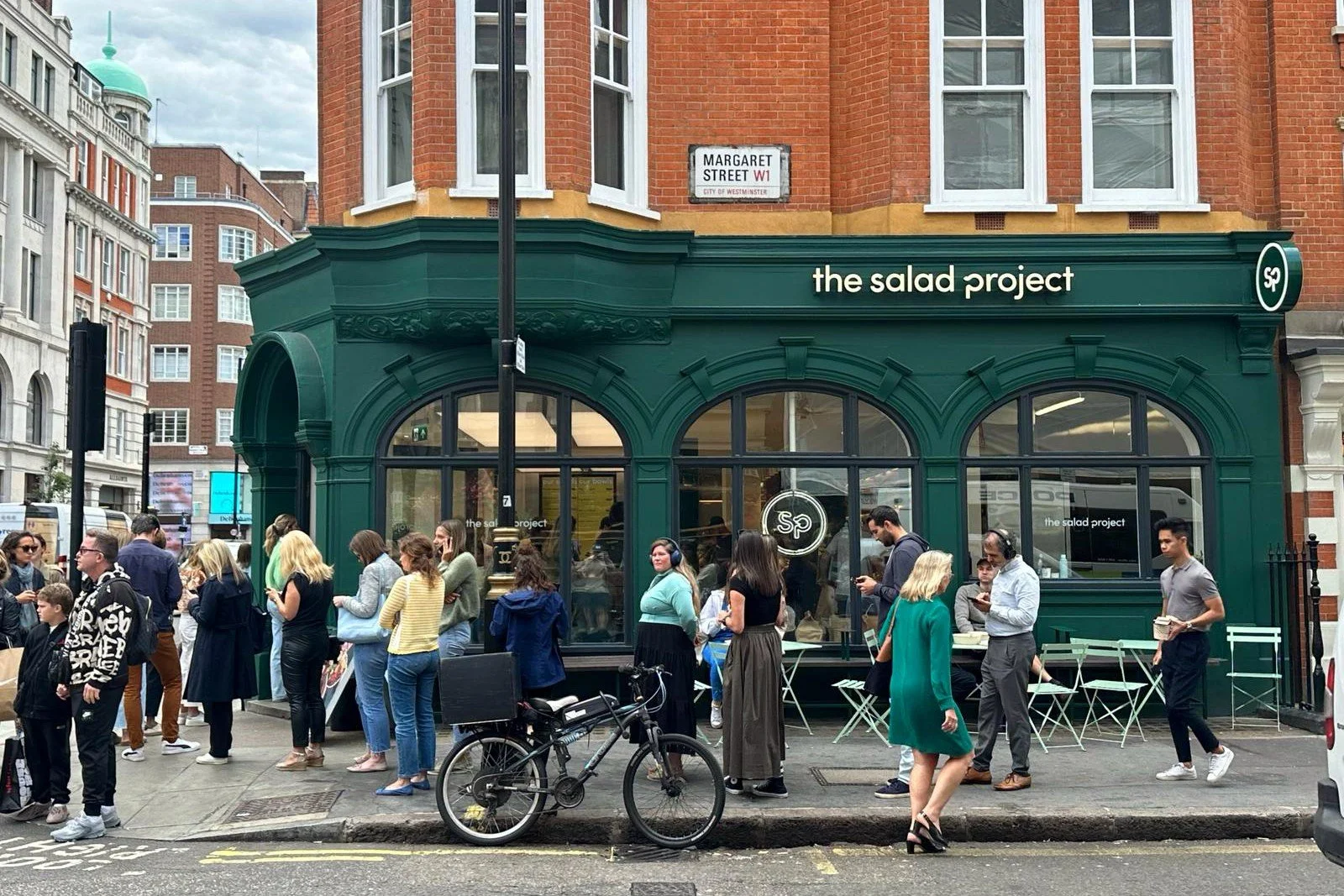
Queues out the door aren’t just demand. They’re a signal of brand pull, proof that the brand has moved beyond convenience into preference.
And that preference isn’t built in-store alone.
It’s reinforced through a consistent digital presence, content that feels current, and a sense of community that extends beyond the physical space.
That’s what turns a good product into a habit.
The Build-Your-Own Model as Brand Strategy
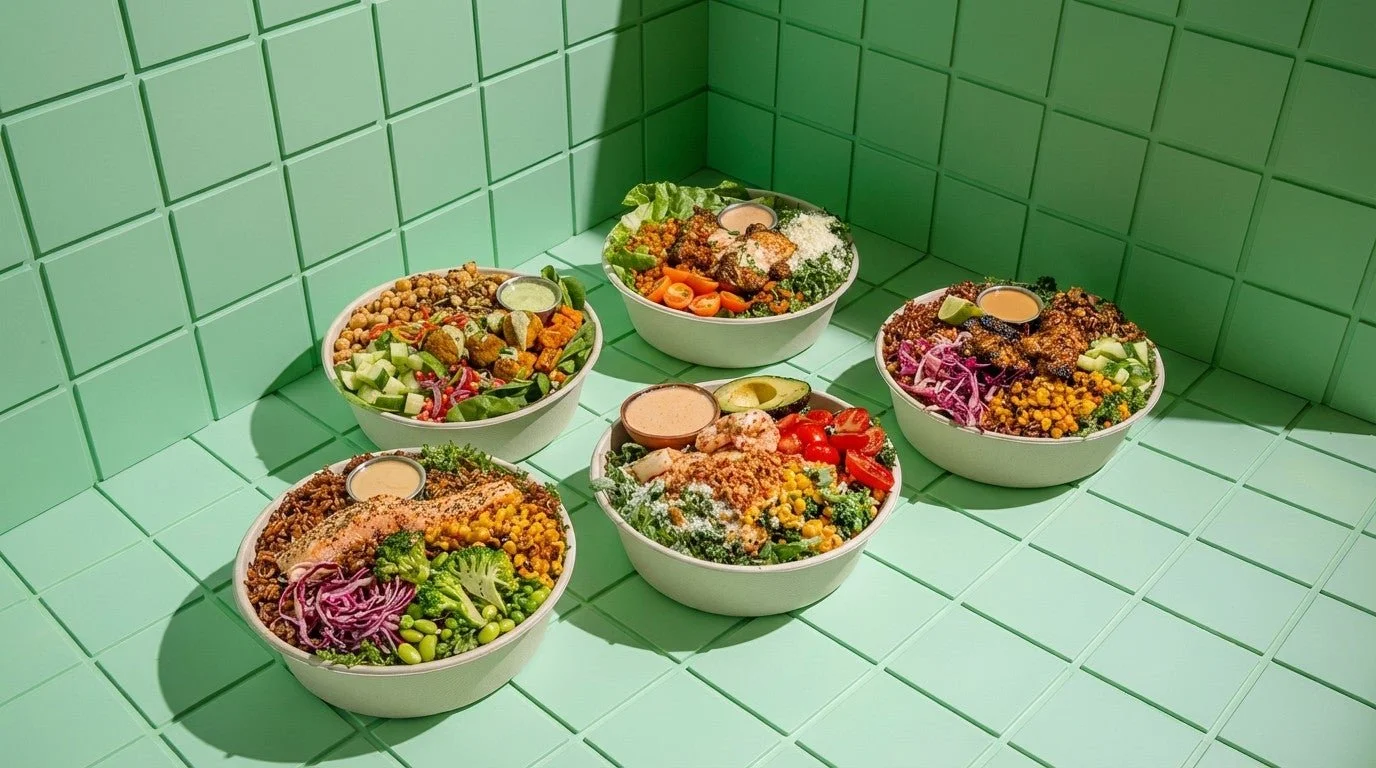
The custom bowl is also a positioning tool.
It hands control to the customer, reflecting a wider cultural shift towards personalisation, in fitness, content, fashion, and now food.
The message, intentional or not, is that this one belongs to you.
At the same time, the framework is tightly curated. Ingredients, flavour profiles, and combinations are all pre-designed to work.
So while it feels open, it’s still controlled.
That balance, open enough to feel personal, tight enough to stay consistent, is what makes the experience feel both personal and premium.
And that’s where brand and product become the same thing.
Designing for Perception
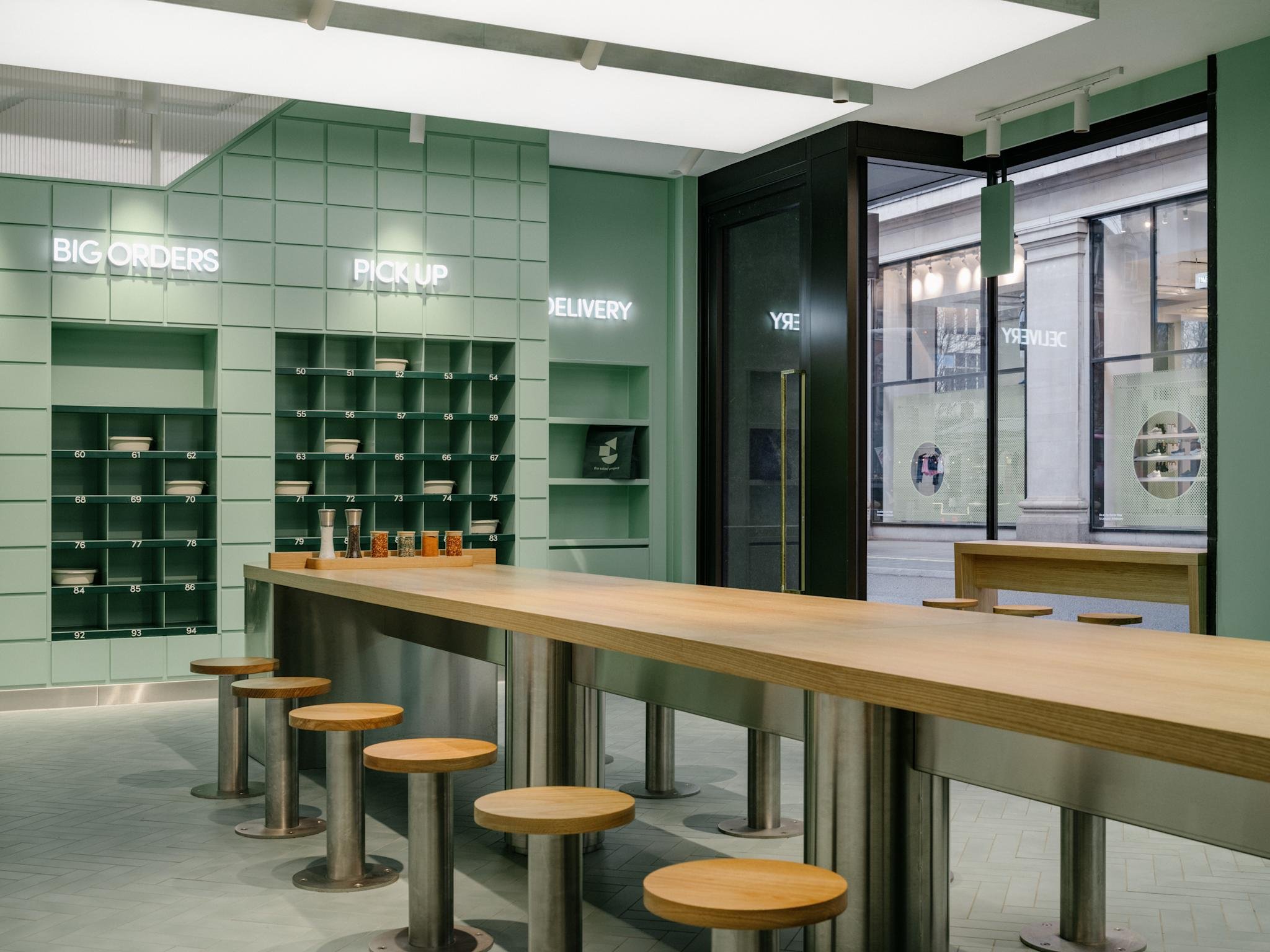
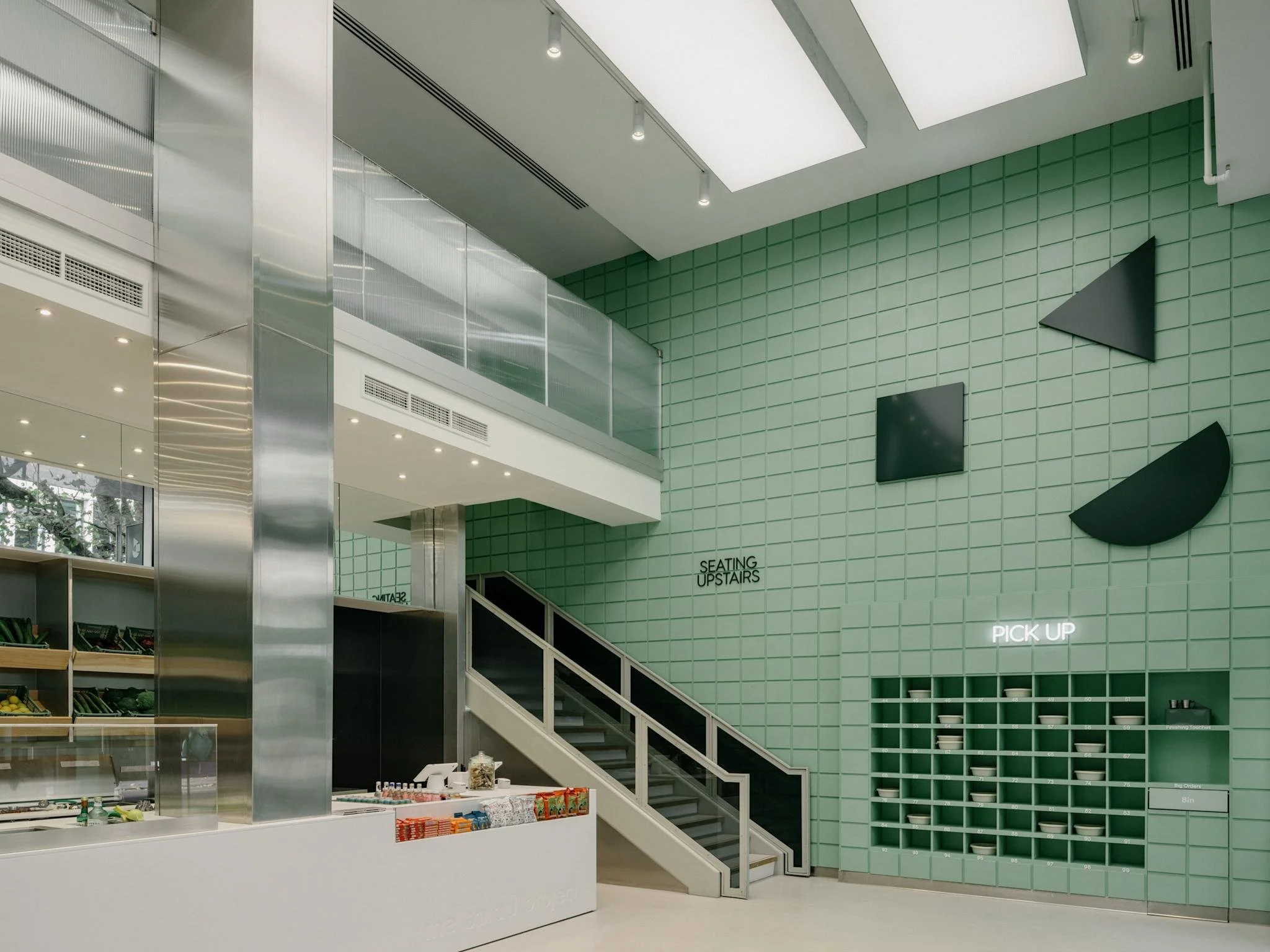
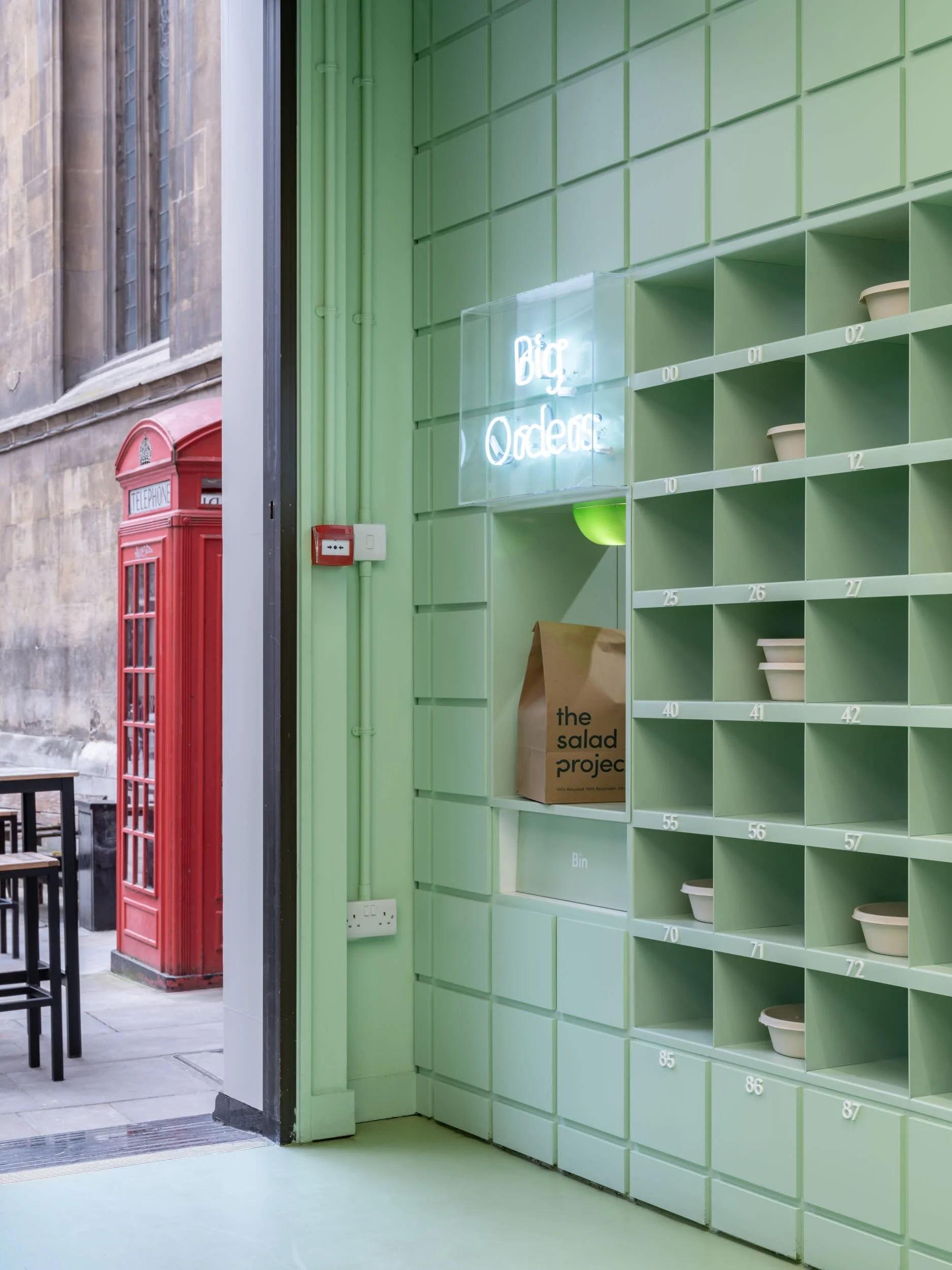
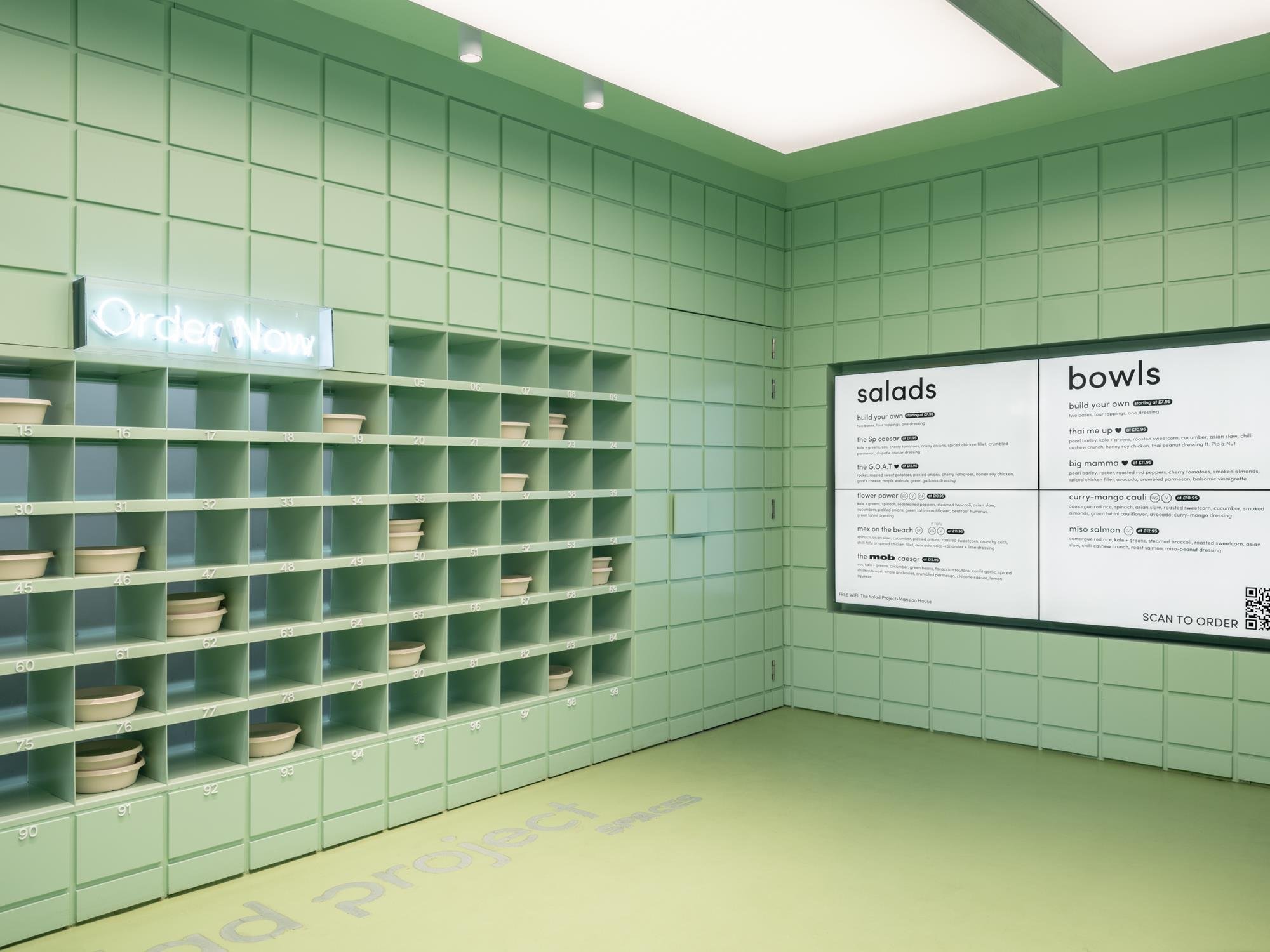
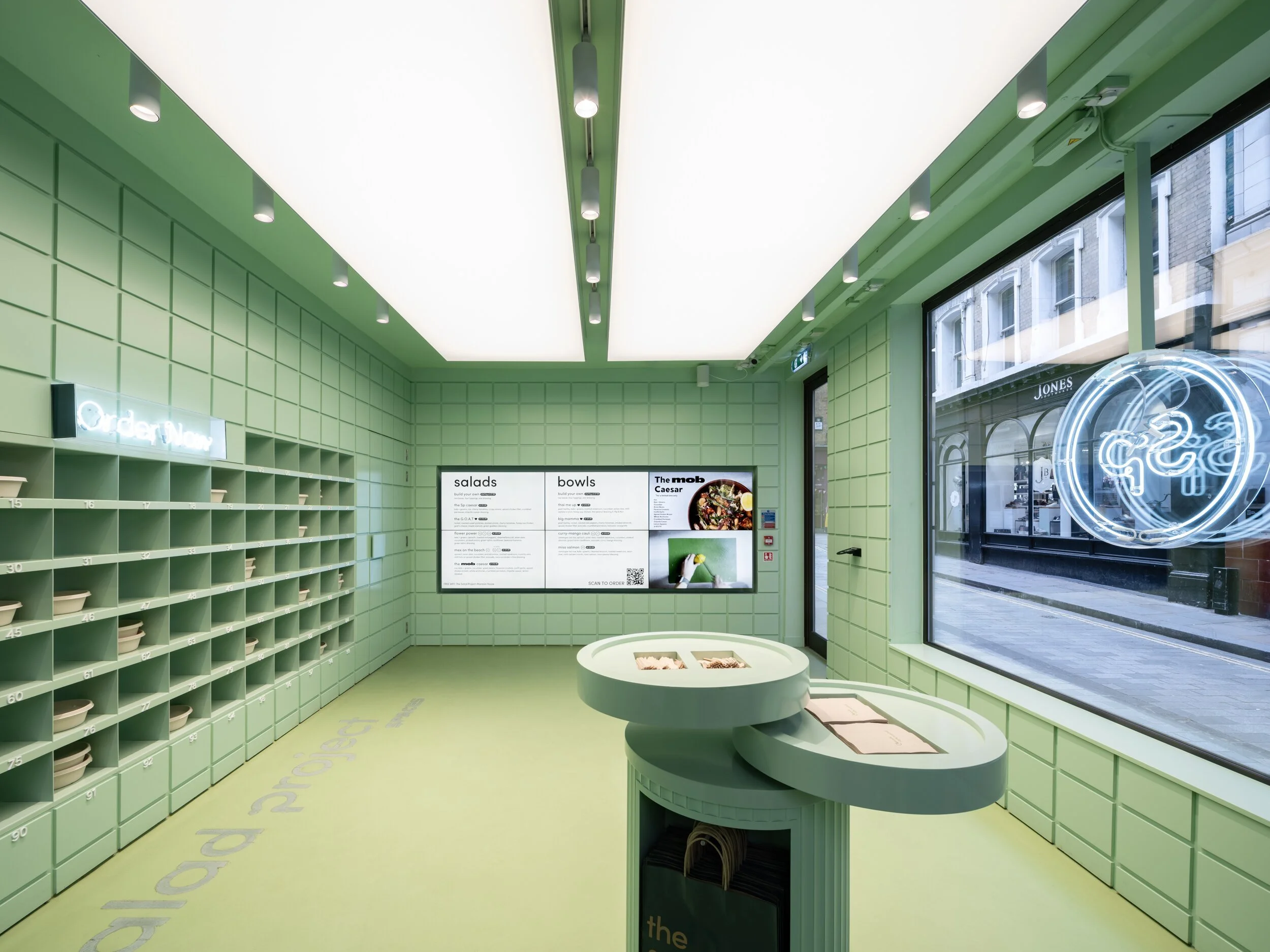
From the outside, Salad Project stores are simple. Clean materials, open counters, visible ingredients.
That simplicity is deliberate.
Everything signals quality and clarity, from the layout to the packaging. It feels closer to a boutique fitness studio or concept retail space than a takeaway.
This is where experiential thinking comes in.
The brand is built into the physical environment:
The speed of service
The visibility of ingredients
The rhythm of the space
The consistency across locations
Each touchpoint reinforces the same idea: this is considered, not rushed.
For brands scaling in physical environments, this is the real challenge, maintaining experience as you grow.
Salad Project shows that it’s possible when the brand is clearly defined from the start.
Aesthetic Meets Culture
One of the more subtle, but important, aspects of the brand is how it shows up digitally.
The aesthetic is clean, minimal, and considered. But it never feels overly polished.
Content blends product, process, and behind-the-scenes moments. You see the build, the people, the reality of the brand as it evolves.
That balance is important.
Too polished and it feels constructed. Too raw and it loses clarity. Salad Project sits somewhere in between.
More like something you follow than something being marketed to you.
And that’s what makes it feel culturally relevant.
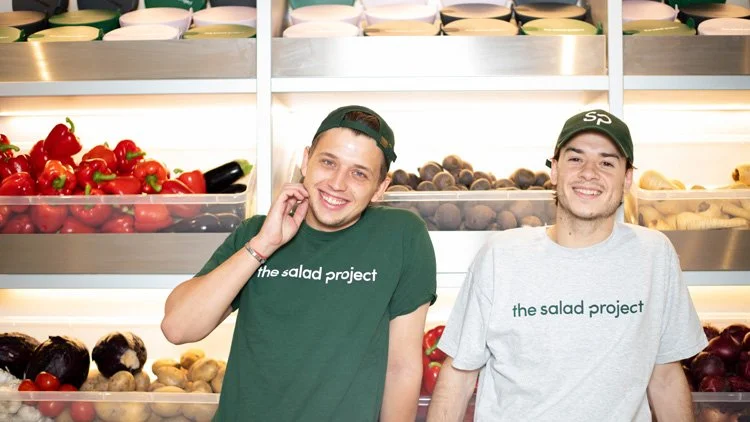
Founders Florian de Chezelles and James Dare
At the heart of Salad Project is a simple idea, done well.
“It’s really exciting to be able to showcase our first restaurant in one of the busiest areas of London,” says de Chezelles
A visit to Salad Project is a combination of a simple but effective consumer journey from beginning to end, and a happy and comfortable place to eat a tasty salad, because there are so few places like this, especially in the city.
We firmly believe that this country needs better access to healthy fast food at a price that won’t break the bank, which is exactly what we have created at Salad Project”.
Pricing, Value, and Perception
One of the more interesting tensions in the category is price.
Salad bowls can range anywhere from accessible to expensive, and there’s ongoing debate around value, especially when the format is simple.
But Salad Project doesn’t compete on price alone.
It competes on perceived value:
Ingredient quality
Portion control
Customisation
Experience
Brand association
What you're actually paying for is the feeling that it was worth it.
Building Cultural Relevance Through Brand
Where Salad Project really separates itself is in how it shows up culturally.
The brand doesn’t rely on heavy campaigns. Instead, it builds relevance through:
Founder visibility: making the business feel human and transparent
Partnerships: aligning with brands and people that share the same energy
Community touchpoints: events, collaborations, and moments that bring people in
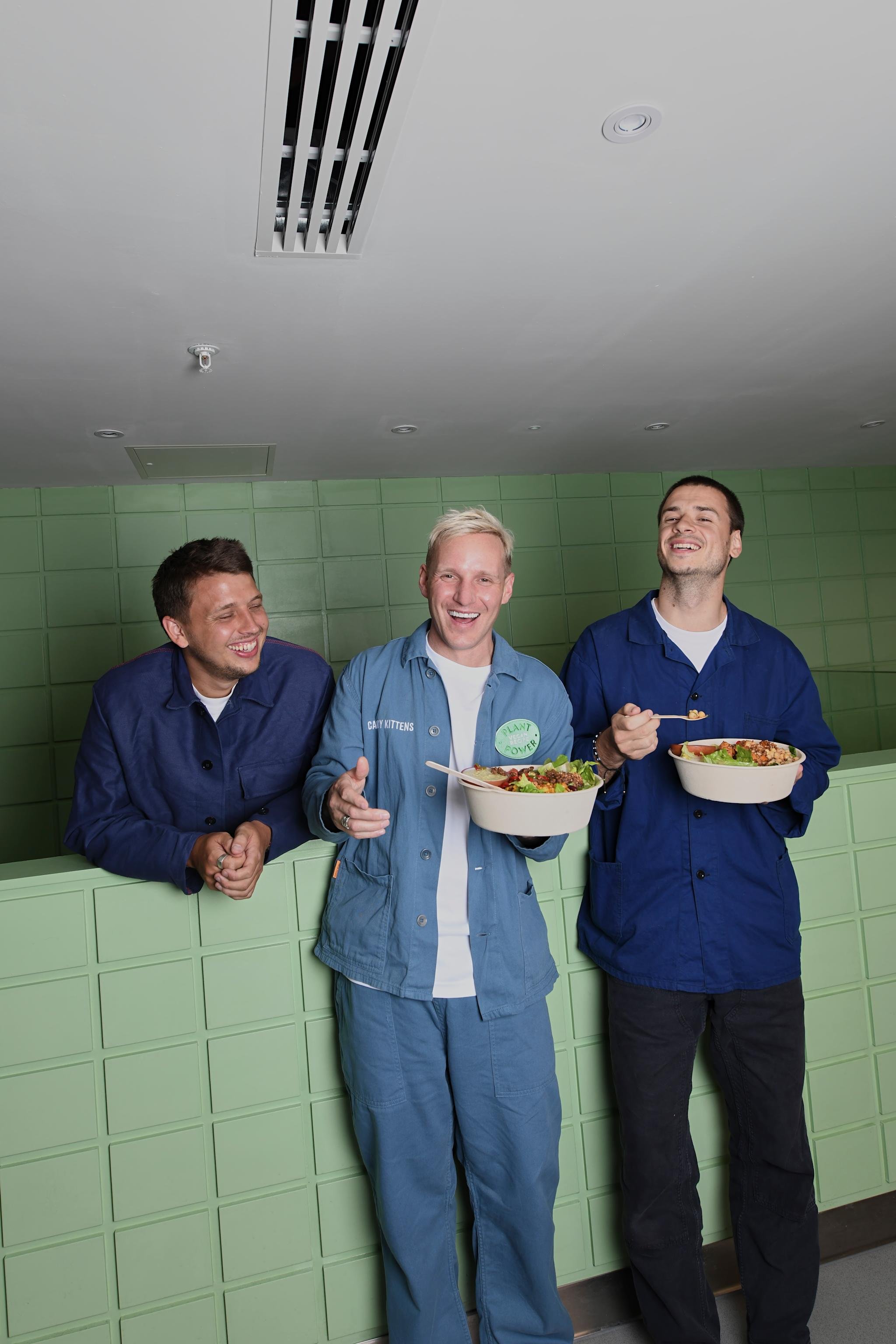
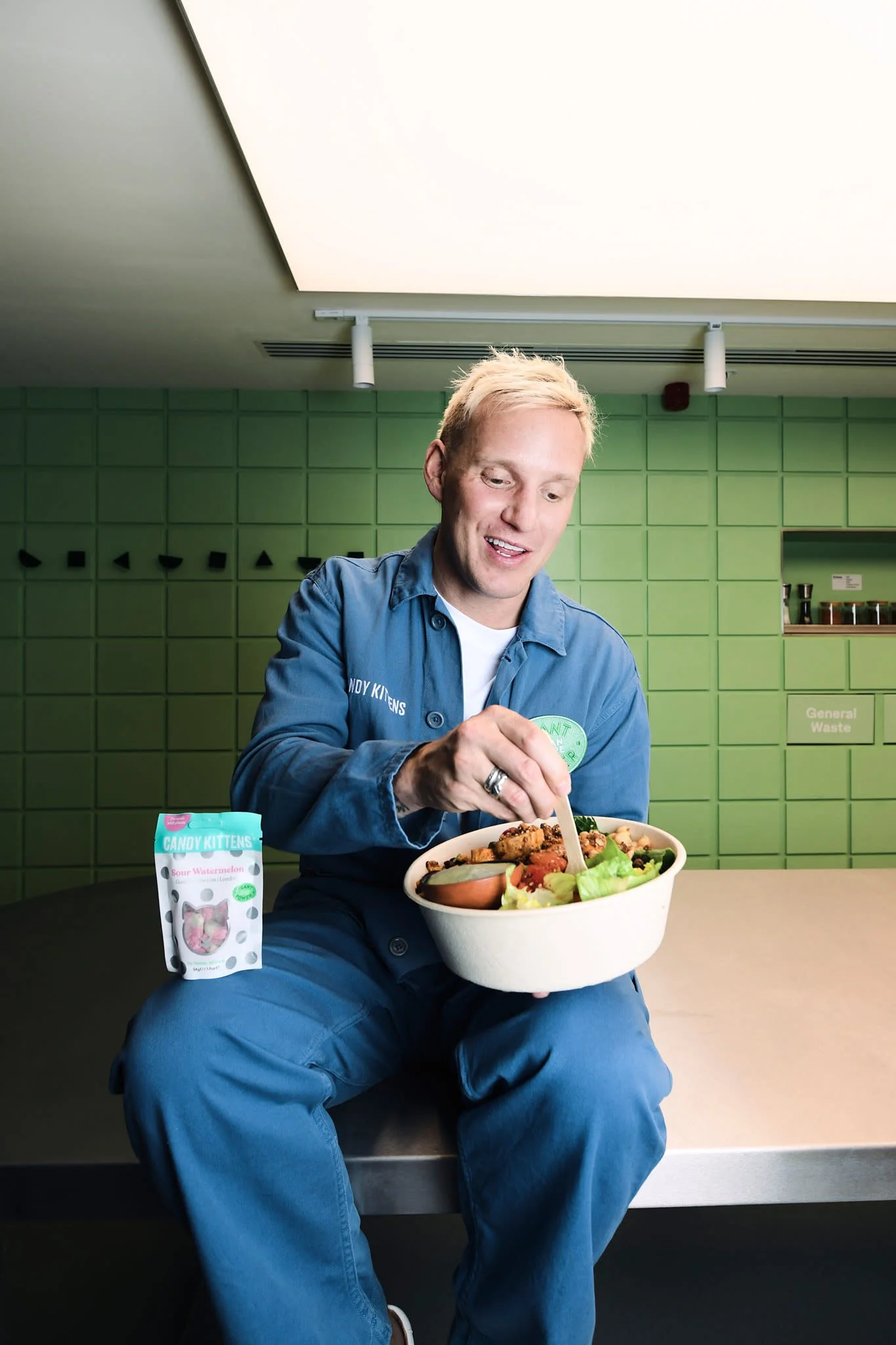
The Jamie Laing collaboration is a good example.
It wasn’t structured like a traditional campaign. It unfolded as content, as process, as something people could watch develop.
That approach does two things:
It removes the distance between brand and audience
It turns marketing into something participatory
That's a harder thing to manufacture than a campaign, and more valuable when it works.
Extending the Brand Beyond the Bowl
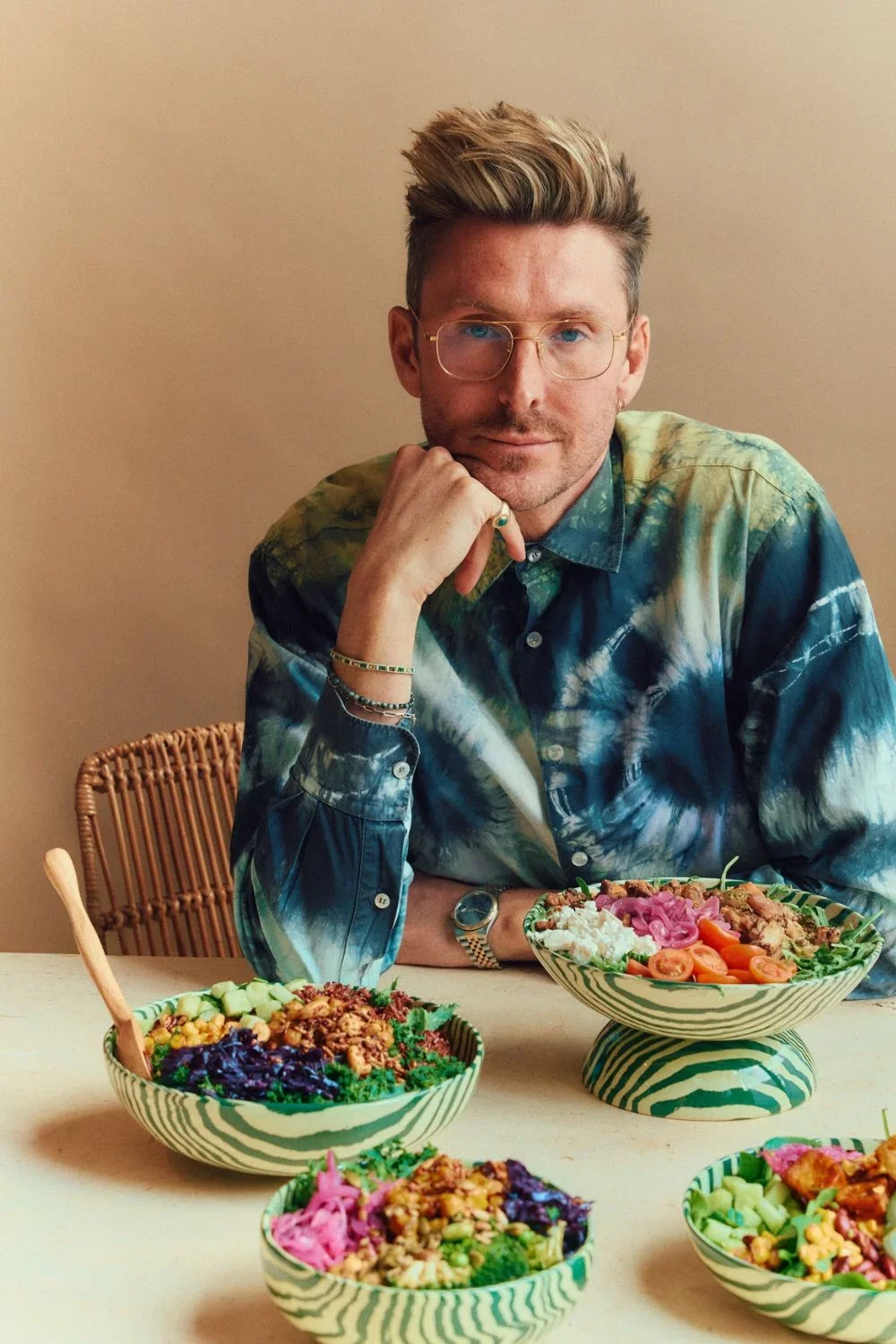
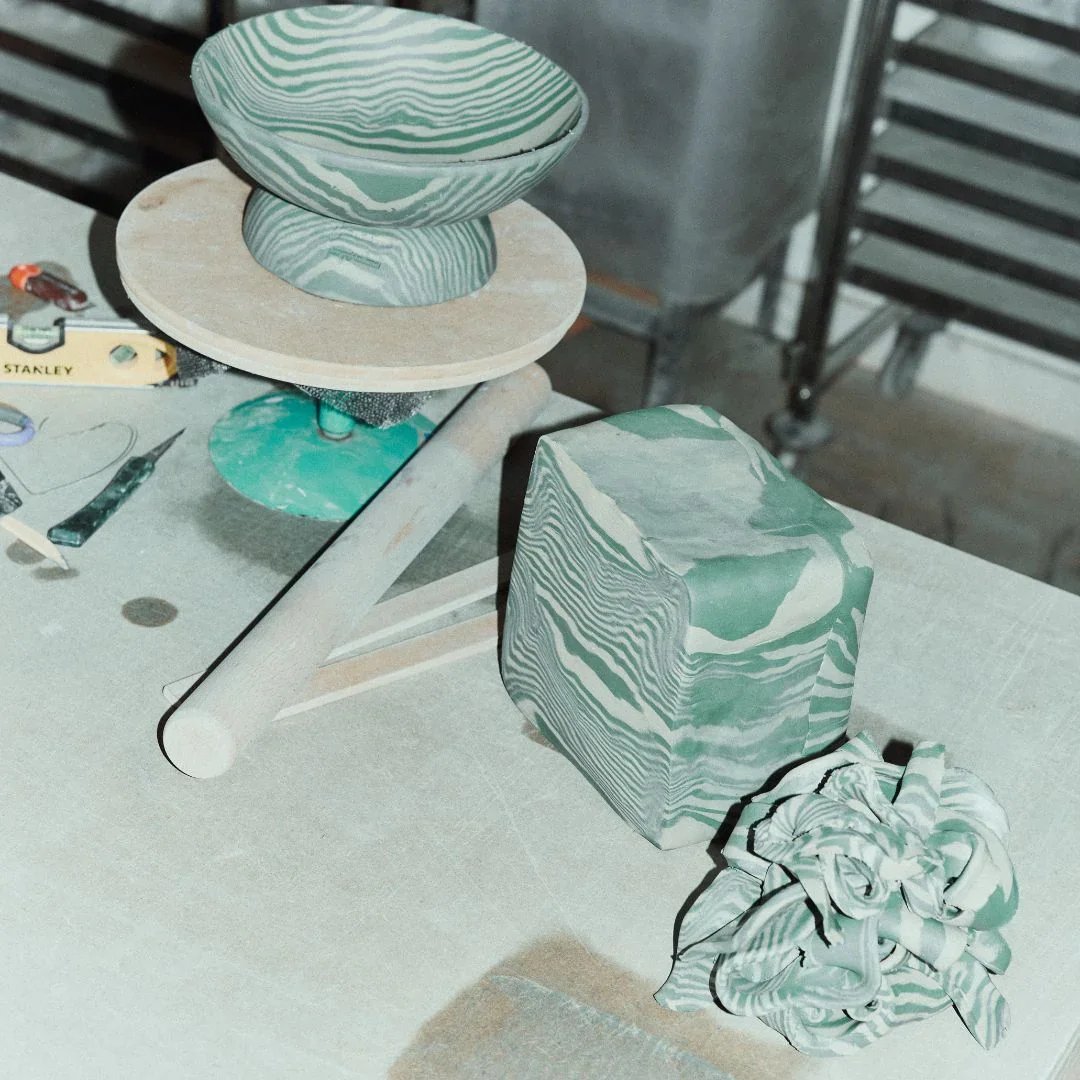
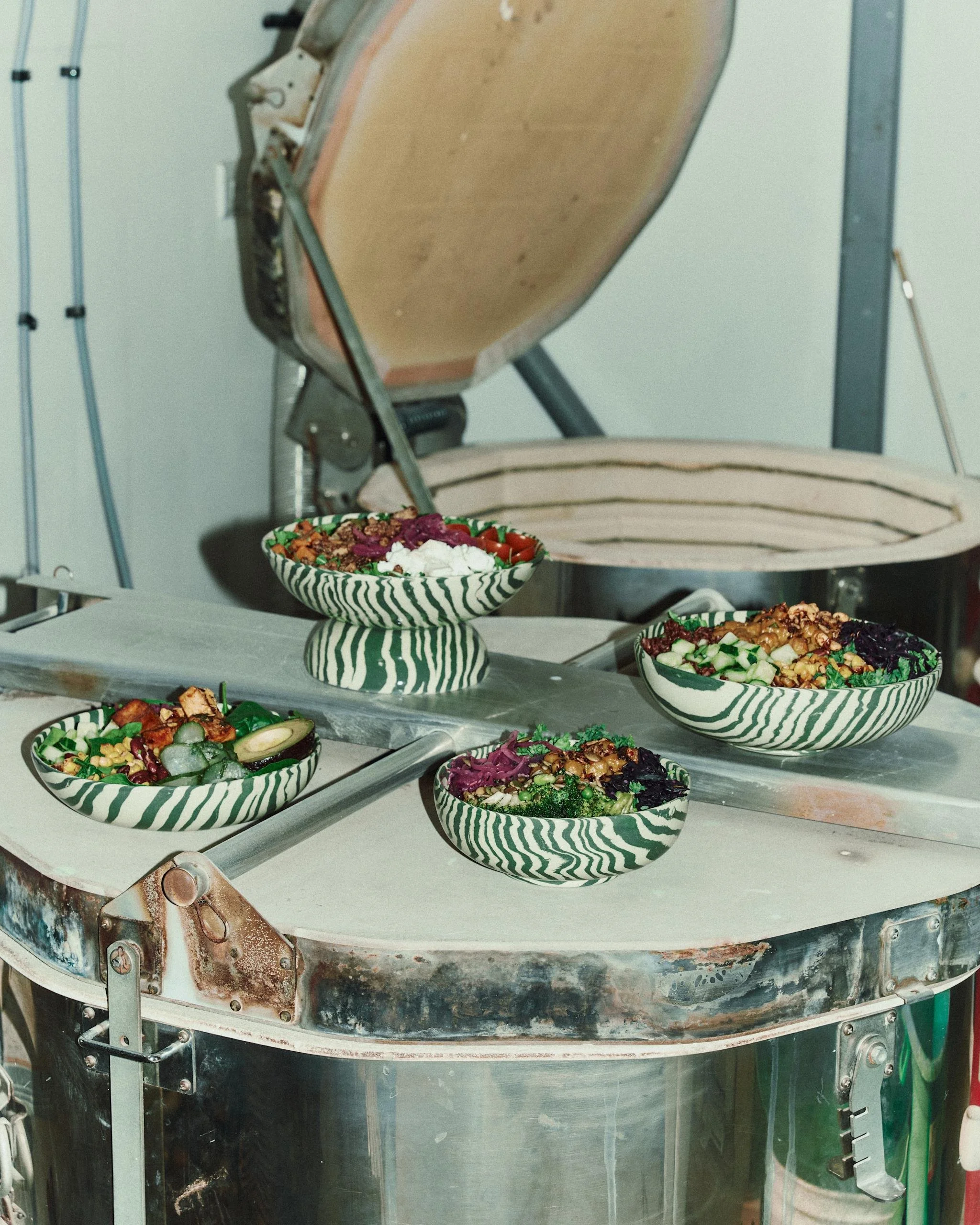
Another interesting move is Salad Project’s collaboration with Henry Holland Studio, a limited-edition range of handcrafted ceramics designed for the home.
On the surface, it’s a product drop. In reality, it says a lot about how the brand sees itself.
By creating physical objects that live outside the store, Salad Project shifts from being just a place you visit to something that becomes part of your everyday environment. Handmade bowls, produced in East London, bring a sense of craft and permanence to a category that is usually disposable.
It moves the brand beyond the transaction and into the ritual. Not just what you eat, but how you eat it.
For a fast-casual brand, that’s a considered step. It shows an understanding that strong positioning is not limited to product or space. It can extend into objects, behaviours, and the way people live with a brand over time.
Scaling Without Diluting the Brand
Growth is where most brands lose clarity.
New locations, new teams, new pressures, and suddenly the experience starts to drift.
What Salad Project has done well is scale with a consistent point of view.
Locations are chosen carefully. Design remains recognisable. The product stays central.
And importantly, the brand doesn’t try to be everything to everyone.
That restraint is what allows it to expand without losing identity.
Final Thought
The lesson here isn’t about salad, or even food.
It’s about what happens when a brand defines its position clearly before it scales.
The product becomes proof.
The experience builds consistency.
And culture drives relevance.
The brands winning now aren’t just solving a need.
They’re building something people choose to come back to.
Lyra’s Takeaways
Product and positioning, aligned. The product proves it, the positioning gives it meaning
Design the whole experience. Not just what people buy, but how it feels
Be part of culture. Not above it, not outside it